 Cars
Buying a used car: 12 inspection points
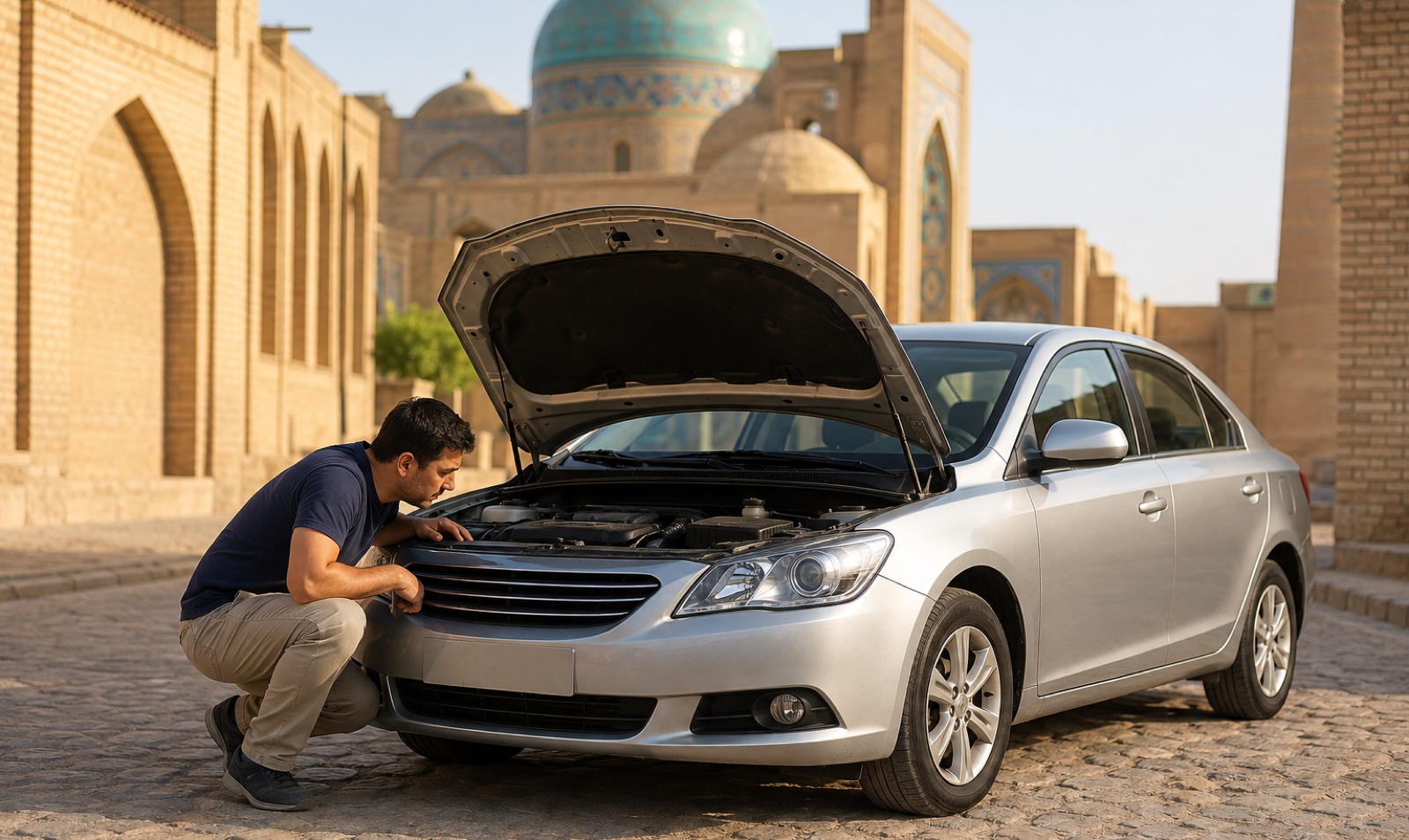
On the used-car market the price is often set by appearance rather than condition. A washed and polished car looks new — but that says nothing about the engine or the body. This list helps you find the main risks in about an hour . Start with the documents Vehicle registration and the seller's passport — do the names match? If the seller is not the owner — a notarised power of attorney with the right to sell. Does the VIN match the document? Painted over or filed down — walk away. Fines and liens can be checked on official portals. Body — 4 points Paint thickness. A gauge is cheap. Factory paint is usually 90–140 µm. Over 200 means the panel was resprayed. Door gaps. All gaps should be the same width. Uneven gaps point to accident repair. Rust. Lower door edges, boot floor, inner wings. Glass dates. Every window carries a production year. One that differs was replaced. Engine — 4 points Start it from cold. If the seller warmed it up beforehand, ask why. Exhaust colour. Blue — burning oil. White when warm — coolant. Black — fuel system. Oil dipstick. Milky colour means coolant has mixed in — an expensive repair. Sound. Knocking, whistling, uneven idle — all need diagnostics. Suspension — 2 points Knocking at low speed over bumps — shock absorbers or ball joints. The car pulls to one side on a flat road — the geometry is off. And the last two Mileage. Does the wear on the wheel, pedals and seat match the odometer? Service history. No records means nobody knows how the car was maintained. The single best advice Take the car you like to a garage with a lift . A diagnostic costing 100–200 thousand sums sometimes saves you from a ten-million mistake. If the seller refuses — that is an answer too.